An Unbiased View of Lab Grown Diamonds
Table of Contents6 Simple Techniques For Lab Grown DiamondsThe Ultimate Guide To Lab Grown DiamondsThe Best Guide To Lab Grown Diamonds5 Simple Techniques For Lab Grown Diamonds
As you take a trip closer to the Planet's core, pressure and temperature boost, which creates the ideal oven for carbon to be exchanged ruby (diamonds are the only gems to be made from purely one element). With an enormous volcanic eruption, these diamonds were transported to the Earth's surface area. It's approximated this process was rather fast (probably over the training course of numerous hours), which allowed the diamonds to stay undamaged without melting.The brief response: carat weights gauge the mass of rocks, karats measure the purity of gold. Carat weight: 1 carat amounts to 0.2 grams, about the weight of a paperclip (following time you see a photo of Mariah Carey's 35 carat weight interaction ring, just think of the problem of carrying 35 paper clips around your finger every day).
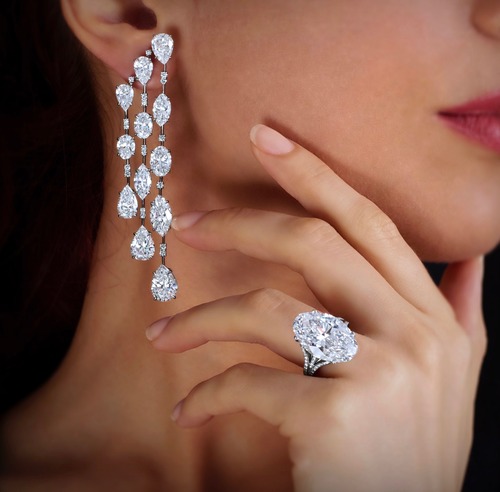
Below are some of the key benefits of lab grown rubies and laboratory grown up ruby jewelry:.
About Lab Grown Diamonds
Simply put, natural or earth-mined rubies are crafted over millions of years below the Earth's crust from pure carbon incorporated with pressure and warm. Creating rubies in a laboratory needs the very same process, simply fine-tuned to happen over a much smaller sized time structure in a much more controlled setup.
Whereas earth-mined rubies are rare and limited and often tend to raise in cost gradually, lab diamonds are readily offered. As demand increases, labs can continue to produce lab rubies meaning they are not limited or limited contrasted to all-natural diamonds. If you want great precious jewelry from a financial investment standpoint, like lab-grown ruby rings, they won't be a great suitable for your needs.
They could believe that the cons of lab-grown rubies outweigh the pros. Some may argue that, for this factor, purchasing a lab-made ruby likewise comes with its moral factors to consider, as doing so takes revenue away from those entailed in the all-natural diamond market that may require it most.
Typical diamonds rely on the Earth's problems to determine their high quality or absence thereof. In a laboratory, manufacturers can straight regulate a diamond's quality.
Lab Grown Diamonds - An Overview
You can easily find colored, man-made diamonds on the (relatively) affordable side as well as certain cuts that would certainly be pricier if you were purchasing an extracted diamond just. As mentioned, not every insurance plan will safeguard your lab-grown diamond but that hardly implies it isn't worth securing. Our comprehensive insurance coverage shields you under numerous unfavorable conditions, from mysterious loss to go to my site theft.
natural rubies is that the last is mined from all-natural deposits in the Planet while the former is made in a lab making use of regulated settings. Yet their high quality is mostly the same. Lab Grown Diamonds. While the difference in between lab-grown and natural ruby choices are very little when it concerns high quality, some of the downsides of lab-grown rubies include the fact that the rock will drop over time and, to some, an absence of nostalgic worth that's commonly connected with extracted diamonds
The procedure involves very little land disturbance and gets rid of problems associated with logging and habitat damage. Lab-grown rubies are often a lot more affordable than natural rubies. This expense distinction can be attributed to the streamlined manufacturing procedure and the avoidance of costs related to traditional mining. The Controlled Atmosphere in Which Laboratory Grown Diamonds Are Developed Permits Constant Top Quality.
Versatility in Style - Lab Grown Diamonds Deal Developers and Customers a Versatile Palette to Produce Special and Cutting-edge Jewelry Designs. the Controlled Growth Process Allows for The Manufacturing of Diamonds in Different Sizes And Shapes. Lab Diamond Rings are the A Lot Of Famous Among Laboratory Diamond Precious Jewelry. Lab Rubies Typically Feature An Even More Clear Supply Chain.
Lab Grown Diamonds for Beginners
Market Assumption - In Spite Of Their Identical Physical Qualities, Laboratory Diamonds Might Face Challenges in Market Perception. Some Customers Still Perceive Natural Diamonds as Having Higher Value and Status. The Production of Lab-Grown Diamonds Can Be Energy-Intensive, Specifically in Approaches Like High Stress Heat (hpht) and Chemical Vapor Deposition (cvd).
Natural Diamonds Are Formed Over Countless Years Deep Within the Planet, Adding To Their Regarded Rarity. Lab-Grown Rubies, Despite Their Similar site web Characteristic, May Not Bring the Very Same Rarity Factor, Impacting Their Regarded Value for Some Consumers. Influence On Diamond-Dependent Economic Climates - the Change Towards Laboratory Grown Diamonds Might Have Financial Effects for Countries and Neighborhoods that Depend Upon The Ruby Mining Sector.
:max_bytes(150000):strip_icc()/BRI-Lab-Grown-Diamonds-Graphic-d9ca3ef795964c45877ff39d82f8d679.jpg)
Ans. Lab Rubies Are of Equal Top Quality to Natural Diamonds in Terms of Solidity, Brilliance, and Clearness. the Top quality of A Diamond, Whether Lab-Grown or Mined, Is Identified by Its Cut, my explanation Shade, Quality, and Carat Weight. Ans. Yes, Lab Diamonds Glimmer Similar To Natural Diamonds. Their Brilliance and Shimmer Are an Outcome of Their Cut and The Way Light Communicates with Their Facets. Ans.